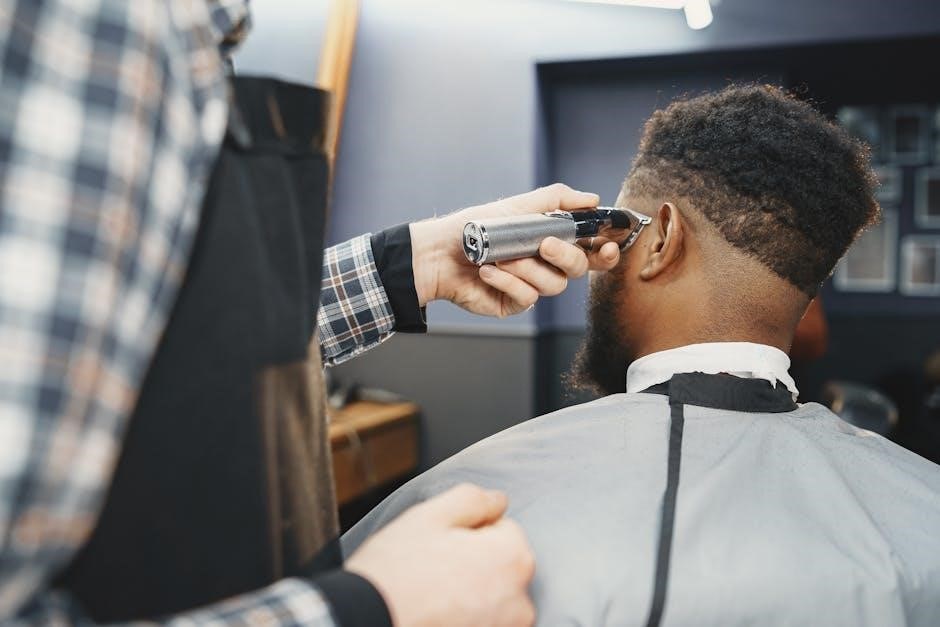
Clipper Guide: A Comprehensive Overview (Updated 01/27/2026)
Today’s date is 01/27/2026. This guide explores hair clippers, from their history and types to choosing the best model for home or professional use, and AI advancements.
What are Hair Clippers?
Hair clippers are specialized tools designed for cutting human hair, often referred to as “hair clippers” even in the singular form. They’ve largely replaced manual hair clippers in many countries, offering efficiency and precision. These electric devices utilize oscillating blades shielded by guards to achieve various hair lengths.
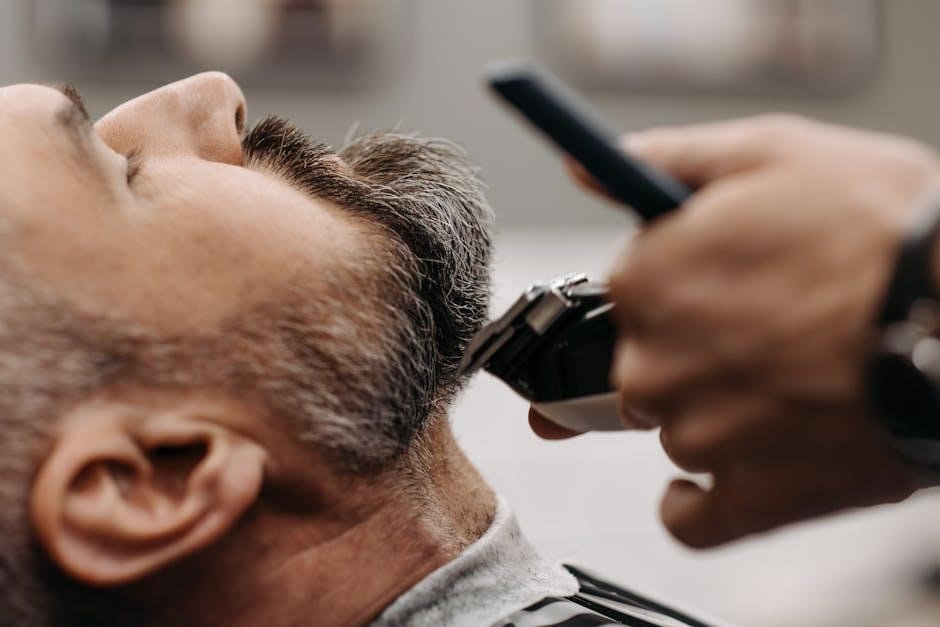
Understanding the numbering system – ranging from 1 to 8 – is crucial, as guards attach to the clipper, dictating the cut length. Clippers aren’t just for haircuts; they’re also used for trimming beards and maintaining fades between professional barber visits. Investing in quality clippers empowers both DIY enthusiasts and professionals alike.
The History of Hair Clippers
Initially, hair cutting relied on shears and razors, demanding significant skill and time. The evolution towards mechanized hair cutting began in the late 19th and early 20th centuries. While pinpointing the exact inventor is debated, several patents emerged around this period, aiming to create a powered hair-cutting device.
Early models were bulky and less refined than today’s clippers. However, they gradually gained popularity, offering a faster and more accessible alternative to traditional methods. Over decades, improvements in motor technology, blade materials, and design led to the sophisticated, versatile clippers we know today. They’ve become indispensable tools for barbers and home grooming enthusiasts globally.
Understanding Clipper Guard Numbers
Hair clippers and trimmers utilize a standardized numbering system, ranging from 1 to 8, to indicate cutting length. These numbered guards attach to the clipper blade, controlling the amount of hair left after each pass. Lower numbers correspond to shorter cuts, while higher numbers result in longer lengths.
Essentially, the guard creates a space between the blade and the hair, dictating the final trimmed length. Understanding this system is crucial for achieving desired hairstyles. A #1 guard typically leaves about 1/8 inch of hair, while a #8 guard leaves approximately 1 inch. Consistent use of these guards ensures predictable and repeatable haircuts.
Clipper Guard Sizes: A Detailed Breakdown (0 to 8)
Clipper guards offer precise length control. A #0 guard typically cuts hair extremely short, often used for fading or creating a very close shave – around 1/16 inch. #1 leaves 1/8 inch, ideal for short, neat styles. #2 provides 1/4 inch, a slightly longer, versatile length.
Moving up, #3 yields 3/8 inch, #4 offers 1/2 inch, commonly used for an all-over even length. #5 results in 5/8 inch, #6 gives 3/4 inch, and #7 delivers 1 inch. Finally, #8 leaves approximately 1 1/8 inches, suitable for longer styles on top. Remember these are approximate; slight variations can occur.
Types of Hair Clippers
Hair clippers aren’t one-size-fits-all; several types cater to different needs. Standard clippers are versatile for all-over cuts, while trimmers excel at detailing and edging. A key distinction lies in power: corded clippers offer consistent power, while cordless provide freedom of movement.
Beyond that, motor types vary. Magnetic motor clippers are affordable and suitable for light use. Rotary motor clippers are powerful and can handle thick hair. Pivot motor clippers offer speed and precision, often favored by professionals. Understanding these differences is crucial when selecting the right clipper for your desired style and hair type.
Corded vs. Cordless Clippers: Pros and Cons
Corded clippers deliver uninterrupted power, ideal for lengthy or complex haircuts. They eliminate battery anxiety and generally offer more consistent performance, making them a reliable choice for frequent use. However, the cord restricts movement and requires proximity to a power outlet.
Cordless clippers prioritize convenience and maneuverability. Their freedom from cords allows for greater flexibility during styling. Modern cordless models boast impressive battery life, but runtime remains a consideration. They are perfect for quick touch-ups or travel. Ultimately, the best choice depends on your haircutting habits and preferences;
Magnetic Motor Clippers
Magnetic motor clippers represent a classic clipper technology, known for their simplicity and affordability. These clippers utilize an electromagnetic coil to create a magnetic field, driving the blade’s back-and-forth motion. They typically operate at a single speed, making them straightforward to use, particularly for beginners.
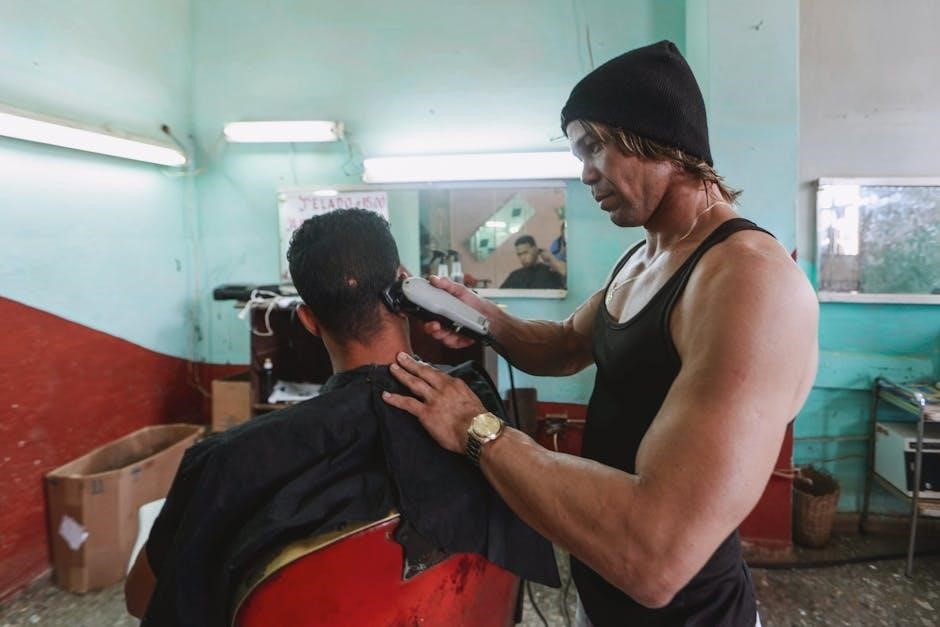
While reliable, magnetic motor clippers generally produce more noise and vibration compared to newer motor types. They are often lighter in weight, but may lack the power needed for thick or coarse hair. Despite these limitations, their cost-effectiveness and ease of maintenance continue to make them a popular choice for basic home haircuts.
Rotary Motor Clippers
Rotary motor clippers are a prevalent choice among both home users and professionals, celebrated for their power and versatility. These clippers employ a rotary motor that spins a blade back and forth, offering consistent cutting force even through dense hair textures. A key advantage is their multi-speed functionality, allowing for customized cutting experiences.
Rotary motors generally run cooler and quieter than magnetic motors, enhancing user comfort during extended use. They are also known for their durability and longevity. While often slightly heavier, the increased power and adaptability make rotary clippers ideal for a wide range of haircuts and hair types, solidifying their position as a workhorse in the grooming world.
Pivot Motor Clippers
Pivot motor clippers represent a blend of power and precision, utilizing a unique electromagnetic vibration system. Unlike rotary motors, pivot motors employ two electromagnets that rapidly pull and release a pivoting arm, driving the blade’s motion. This design results in a distinct, quieter operation and a characteristic “snap” during cutting, favored by many barbers for its tactile feedback.
These clippers are particularly well-suited for creating fades and tapers, offering exceptional control and accuracy. The Fast Feed Adjustable Pivot Motor Clipper is a popular example. While generally not as powerful as rotary motors for thick hair, pivot motors excel in finesse work and are known for their consistent performance and reliability, making them a staple in professional settings.
Clipper Blade Materials & Durability
Clipper blade material significantly impacts performance and longevity. Stainless steel remains a common choice, offering good sharpness and corrosion resistance, but typically dulls within 5-15 years with regular use. However, advancements have introduced superior options like titanium and DLC (Diamond-Like Carbon)-coated blades.
Titanium & DLC-coated blades boast exceptional durability, maintaining sharpness for an impressive 1,000 to 3,000 cutting hours. The DLC coating provides increased hardness and reduced friction, resulting in smoother cuts and extended blade life. While initially more expensive, these materials represent a worthwhile investment for professionals or those seeking long-term value and consistent cutting performance.
Stainless Steel Blades
Stainless steel blades are a widely utilized and cost-effective option in hair clipper manufacturing, offering a balance between affordability and functionality. They provide adequate sharpness for various hair types and cutting styles, making them suitable for both home and professional use. A key benefit is their resistance to corrosion, ensuring longevity even with frequent exposure to moisture.
However, stainless steel blades do have limitations. Compared to titanium or DLC-coated alternatives, they tend to dull more quickly, typically requiring sharpening or replacement within a 5 to 15-year timeframe, depending on usage frequency. Regular cleaning and oiling are crucial to maintain their performance and extend their lifespan, preventing rust and ensuring smooth operation.
Titanium & DLC-Coated Blades: Longevity and Performance
Titanium and Diamond-Like Carbon (DLC)-coated blades represent a premium tier in hair clipper blade technology, prioritizing durability and sustained sharpness. These blades boast an impressive lifespan, maintaining their cutting edge for an estimated 1,000 to 3,000 hours of use – significantly longer than stainless steel counterparts. This extended longevity reduces the frequency of sharpening or replacement, offering long-term value.
DLC coating, in particular, minimizes friction, resulting in smoother, cooler operation and enhanced cutting precision. While typically more expensive upfront, the reduced maintenance and superior performance make them a favored choice for professional barbers and individuals seeking a high-quality grooming experience. They resist corrosion effectively, ensuring consistent performance over time.
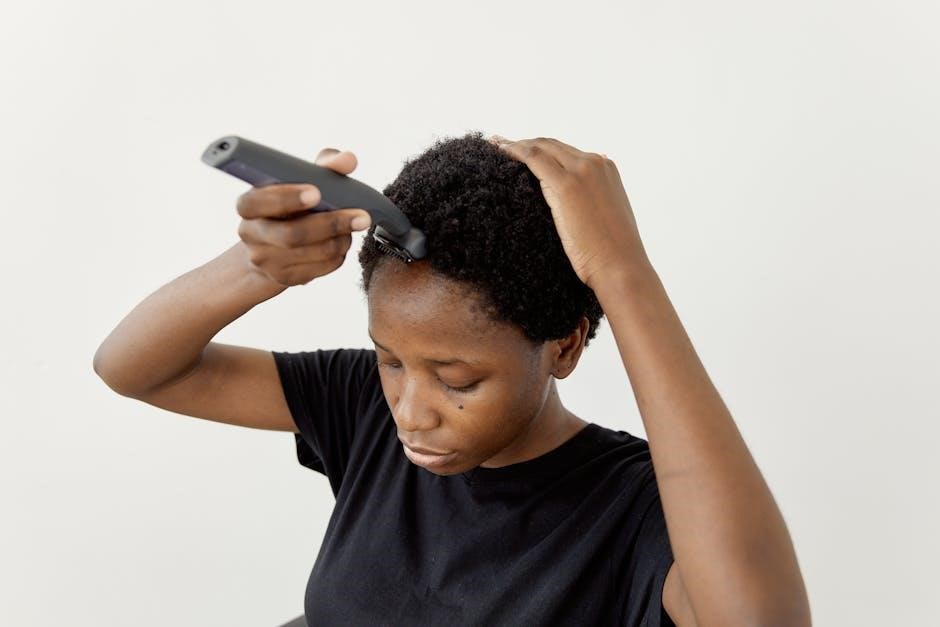
Choosing the Right Clippers for Your Needs
Selecting the ideal hair clippers hinges on intended use. For home use, prioritizing ease of operation and affordability is key. Cordless models offer convenience, while corded options provide consistent power. Consider features like adjustable blades and a sufficient number of guard sizes for versatile haircuts.
Professional barber clippers demand robust performance and durability. Rotary motor clippers are often preferred for their power and ability to handle thick hair. Look for high-quality blade materials like titanium or DLC-coated steel, ensuring longevity and precision. Ergonomic design is crucial for extended use, minimizing hand fatigue during long workdays.
Clippers for Home Use
Home haircutting demands user-friendly clippers. Prioritize models offering simplicity and safety, especially for beginners. Cordless clippers excel in maneuverability, eliminating cord entanglement during self-cuts. Look for kits including multiple guard sizes, enabling varied hair lengths and styles without professional assistance.
Budget-friendly options are plentiful, but don’t compromise on basic quality. Adjustable blades are beneficial for fine-tuning cuts. Consider clippers specifically marketed for home use, often featuring simplified controls and ergonomic designs. Maintaining your fade between barbershop visits becomes achievable with the right investment.
Professional Barber Clippers
Barber clippers prioritize power, durability, and precision. Magnetic and rotary motor types are common, offering consistent performance during extended use. Professional models often feature heavier-duty construction and high-quality blades – stainless steel, titanium, or DLC-coated – to withstand frequent client sessions.

Adjustable blades and a wide range of guard sizes are essential for creating diverse hairstyles. Fast feed mechanisms and ergonomic designs minimize fatigue during long workdays. Look for clippers designed for fading, outlining, and texturizing. Investment in professional-grade tools ensures longevity and superior results, justifying the higher price point for serious barbers.
Essential Clipper Features
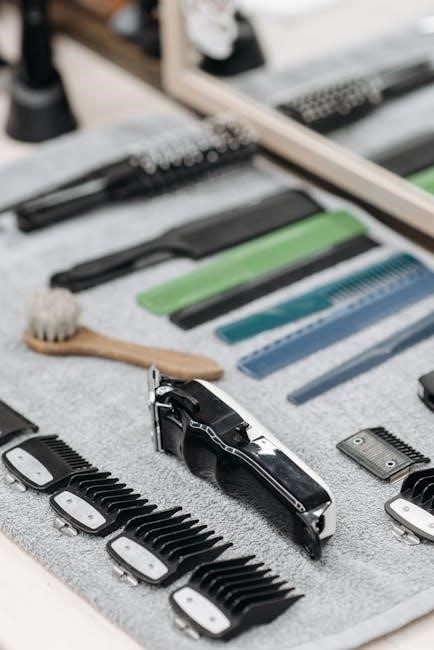
Key features significantly impact a clipper’s versatility and ease of use. Adjustable blades are paramount, allowing for precise length changes without swapping guards. Multiple guard sizes – ranging from 0 to 8 and beyond – provide flexibility for various haircuts and styles. A powerful motor ensures consistent cutting through different hair textures.
Ergonomic design is crucial for comfortable handling, especially during extended use. Look for clippers with a secure grip and balanced weight. Features like quick-release blades simplify cleaning and maintenance. Cordless options offer greater maneuverability, while corded models provide consistent power. Ultimately, these features contribute to a smoother, more efficient grooming experience.
Adjustable Blades
Adjustable blades are a cornerstone of versatile hair clippers. This feature allows users to modify the cutting length without constantly changing clipper guards, offering a seamless transition between different hair lengths. Typically, a lever on the side of the clipper controls the blade’s position, enabling fine-tuning for fades, tapers, and overall length adjustments.
The ability to adjust blades is particularly valuable for barbers and stylists, streamlining their workflow and providing greater precision. Even for home use, adjustable blades simplify achieving desired styles. Quality adjustable blades maintain sharpness and consistent performance, ensuring clean and even cuts. Proper maintenance, including cleaning and oiling, is vital for optimal blade function.
Multiple Guard Sizes
Hair clippers commonly include a range of guard sizes, typically numbered from 0 to 8, each corresponding to a specific cutting length. These guards attach to the clipper blade, dictating how much hair is left after each pass. A larger guard number results in a longer hair length, while smaller numbers offer closer cuts.
Having multiple guard sizes is crucial for achieving diverse hairstyles, from short buzz cuts to longer, layered looks. They are essential for creating fades, tapers, and blending different hair lengths seamlessly. A comprehensive set of guards provides flexibility and control, catering to various hair types and desired styles. Investing in a clipper set with a wide array of guard sizes ensures versatility for all grooming needs.
Maintaining Your Hair Clippers
Regular maintenance is vital for prolonging the life and performance of your hair clippers; This primarily involves consistent cleaning and proper lubrication. After each use, remove any accumulated hair from the blades and housing using the provided brush. Applying clipper oil to the blades reduces friction, prevents rust, and ensures smooth operation.
Beyond cleaning and oiling, periodic blade adjustment and calibration are necessary. Over time, blades can become misaligned, leading to uneven cuts or skin irritation. Learning to adjust the blades correctly, or seeking professional calibration, maintains optimal cutting precision. Proper care not only extends the clipper’s lifespan but also guarantees consistently high-quality haircuts.
Cleaning and Oil Application
Thorough cleaning after each use is paramount for maintaining clipper hygiene and performance. Begin by disconnecting the power source. Use the provided brush to meticulously remove all clipped hair from the blades, housing, and around the lever. For deeper cleaning, a soft cloth dampened with isopropyl alcohol can be used, ensuring it’s completely dry before re-oiling.
Proper oil application lubricates moving parts, reducing friction and preventing rust. Apply 2-3 drops of clipper oil along the blade edges and onto the cutting teeth. Operate the clippers briefly to distribute the oil evenly. Wipe away any excess oil to avoid attracting hair and debris. Consistent cleaning and oiling significantly extend the lifespan of your clippers.

Blade Adjustment and Calibration
Maintaining proper blade alignment is crucial for achieving consistent and precise haircuts; Over time, vibrations and use can cause blades to shift, leading to uneven cuts or snagging. Most clippers feature an adjustment screw allowing for fine-tuning of blade overlap. Begin by loosening the screw slightly.
Carefully adjust the blades until they are perfectly aligned, ensuring a smooth, even cutting action. A simple test involves running the clippers over a piece of paper; a clean cut indicates proper alignment. Retighten the screw securely. Regular calibration, ideally every few haircuts, ensures optimal performance and prevents damage to both the blades and the hair.
DIY Haircuts with Clippers: A Beginner’s Guide
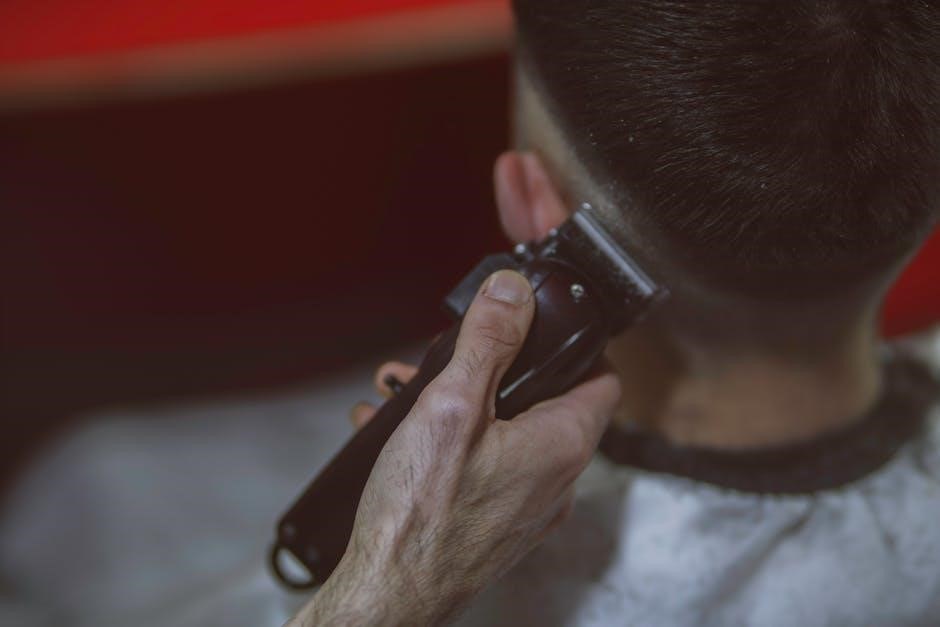
Embarking on a self-haircut requires patience and preparation. Start with clean, dry hair. Select the appropriate guard size – always begin with a longer guard than desired, as you can always go shorter. Work slowly and methodically, moving against the grain of hair growth. Utilize mirrors to ensure even coverage, especially at the back of the head.
For a fade, gradually decrease guard sizes as you move down the sides and back. Blend the transitions carefully to avoid harsh lines. Remember, it’s easier to take more hair off than to put it back on! Don’t be afraid to seek online tutorials for specific styles. Practice makes perfect, so start simple.
The Rise of AI-Powered Clippers
Artificial intelligence is revolutionizing the grooming industry, with the emergence of AI-powered hair clippers unveiled at CES in Las Vegas. These innovative devices promise to minimize “botched haircuts and dodgy fades” by utilizing advanced algorithms and sensors.
The technology aims to analyze hair texture, growth patterns, and desired styles, guiding users for precise and consistent cuts. While still in its early stages, AI clippers represent a significant leap forward, potentially democratizing professional-quality haircuts for home use. This could dramatically change how people approach personal grooming, offering convenience and reducing reliance on barbershops.

Top Clipper Brands and Models (2025/2026)
The market offers diverse options, catering to both home users and professionals. Popular corded choices include the Fast Feed Adjustable Pivot Motor Clipper, known for its reliability. For cordless convenience, the Onyx FF 2020c-B Professional Cordless Hair Clipper stands out, offering powerful performance.
Elite Pro High-Performance Corded Clippers are also a strong contender for home haircuts. Nexpure Cordless Hair Clippers and Beard Trimmer, currently on sale at Walmart, provide versatility. Choosing the right brand depends on individual needs and budget, with options ranging from budget-friendly to high-end professional models.
Popular Corded Clipper Options
Corded clippers deliver consistent power, ideal for demanding tasks and extended use. The Fast Feed Adjustable Pivot Motor Clipper consistently receives positive reviews for its durability and performance. Elite Pro High-Performance Corded Home Haircut Clippers are a fantastic choice for those seeking a reliable, affordable option for maintaining haircuts at home.
These models often feature powerful motors and robust blades, ensuring clean and precise cuts. While lacking the portability of cordless options, corded clippers eliminate battery life concerns. They remain a staple in many professional barbershops and for individuals prioritizing consistent power over wireless freedom.
Recommended Cordless Clipper Choices
Cordless clippers offer unparalleled convenience and freedom of movement, making them perfect for travel or quick touch-ups. The Onyx FF 2020c-B Professional Cordless Hair Clipper stands out as a high-performance option, favored by many professionals. Nexpure Cordless Hair Clippers and Beard Trimmer, currently on sale, provide excellent value with a flash deal at Walmart.
Modern cordless clippers boast impressive battery life and powerful motors rivaling their corded counterparts. They are increasingly popular for both home and professional use, offering flexibility without sacrificing cutting power. Consider models with multiple speed settings and a variety of guard sizes for versatile styling options.
Current Deals and Discounts on Clippers
Savvy shoppers can find significant savings on hair clippers right now! Walmart is currently offering a flash deal on the Nexpure Cordless Hair Clippers and Beard Trimmer, with a substantial 76% discount. This represents a fantastic opportunity to acquire a quality grooming tool at a reduced price.
Keep an eye on major retailers like Amazon, Target, and Best Buy for ongoing promotions and seasonal sales. Checking manufacturer websites directly can also reveal exclusive discounts and bundled offers. Regularly monitoring deal websites and subscribing to newsletters will ensure you don’t miss out on the latest price drops and special offers on various clipper models.
Clipper Accessories: Combs, Oils, and More
Beyond the clippers themselves, a range of accessories enhances the grooming experience. Essential items include clipper combs (guards) in various sizes, allowing for precise length adjustments – typically ranging from #0 to #8, dictating the cut’s length. Clipper oil is crucial for maintaining blade performance, reducing friction, and preventing rust, extending the lifespan of your investment.
Additional useful accessories encompass cleaning brushes for removing hair debris, barber capes to protect clothing, and styling shears for refining edges. Specialized attachments like taper combs and detailing tools offer greater control for intricate haircuts. Investing in quality accessories complements your clippers, ensuring optimal results and longevity.