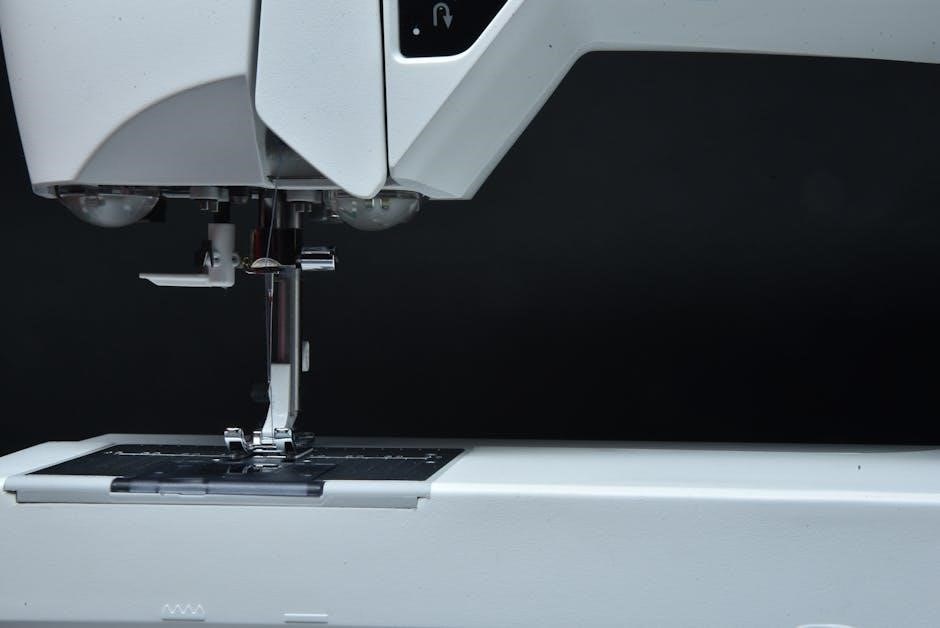
What is a Seam Guide for a Sewing Machine?
A seam guide is a small, often simple, tool that attaches to your sewing machine, aiding in consistently straight and accurate stitching along a fabric edge.
Definition and Purpose
A seam guide fundamentally serves as an external reference point for your fabric as it passes under the presser foot of your sewing machine. It’s designed to ensure consistent seam allowances, crucial for achieving professional-looking results. These guides aren’t built into the sewing process, but rather attach independently to the machine.
Their primary purpose is to maintain a uniform distance between the needle and the fabric edge, eliminating guesswork and preventing uneven seams. Whether it’s a simple plastic ruler or a magnetic attachment, the guide helps you sew straight lines with precision, vital for quilting, garment construction, and various sewing projects.
Why Use a Seam Guide?
Employing a seam guide dramatically improves sewing accuracy, especially for beginners or when tackling lengthy seams. It eliminates the need to constantly measure and mark seam allowances, saving time and reducing potential errors. Consistent seam allowances are paramount for garment fit and overall project aesthetics.
Furthermore, a seam guide is invaluable for tasks like quilting, where precise ¼ inch seams are essential. It helps master different sewing machine functions and troubleshoot issues. Ultimately, using a seam guide empowers you to achieve professional-quality results, even with complex projects, fostering confidence and enhancing your sewing experience.
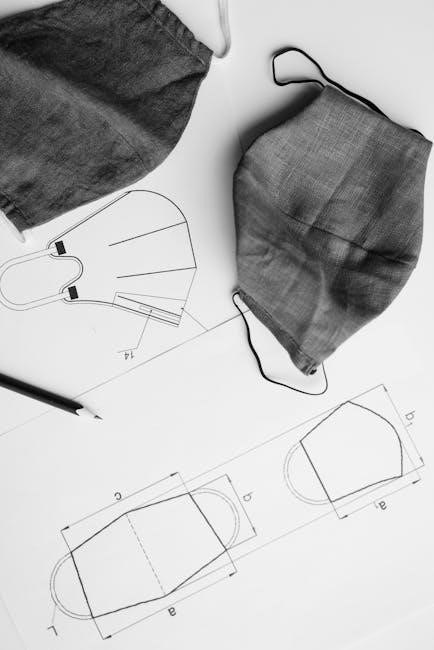
Types of Seam Guides
Several seam guide types exist, including magnetic, fixed, adjustable, and those built directly into the sewing machine, each offering unique benefits for various sewing needs.
Magnetic Seam Guides
Magnetic seam guides are popular due to their independent attachment to the sewing machine, differing from other types. They come in various shapes and sizes, catering to straight seams, curved edges, and corners. These guides offer convenience and versatility, easily repositioned as needed during a project. Adjustable magnetic seam guides are also available, providing even greater control over seam allowances. They are particularly useful for beginners and professionals alike, enhancing sewing precision and efficiency. Their simple design and ease of use make them a valuable addition to any sewing toolkit, promoting consistent results.
Fixed Seam Guides
Fixed seam guides are characterized by their simplicity, offering a pre-determined, specific seam allowance. Commonly, these guides are found in sizes like 1/4 inch or 5/8 inch, catering to standard sewing needs. They are constructed from materials like plastic or metal, providing durability and consistent performance. These guides don’t offer adjustability; instead, they provide a reliable reference point for maintaining a uniform distance from the fabric edge. A green plastic quilting ruler, approximately 3.5in x 1in, exemplifies a typical fixed seam guide, ideal for quilting projects requiring precise seam widths.
Adjustable Seam Guides
Adjustable seam guides offer enhanced flexibility and control compared to fixed options. These guides function by allowing the user to modify the distance from the needle, accommodating various seam allowance requirements without needing multiple attachments. This adjustability is particularly useful when projects demand different seam widths. Often found within 4-piece sewing machine accessory sets, adjustable guides empower both beginners and professionals to master diverse sewing machine functions. They contribute to achieving professional-quality results by ensuring consistent seam allowances throughout a project, enhancing overall precision.
Seam Allowance Guides Built into the Machine
Many modern sewing machines incorporate seam allowance guides directly into their design, offering a convenient and integrated solution. These built-in guides typically feature markings on the needle plate, indicating common seam allowances like 1/4 inch and 5/8 inch. This eliminates the need for separate attachments for frequently used seam widths. Utilizing these guides promotes accuracy and efficiency, streamlining the sewing process. They are especially helpful for beginners learning to maintain consistent seam allowances, contributing to a polished and professional finish on their projects.
Magnetic Seam Guides: A Closer Look
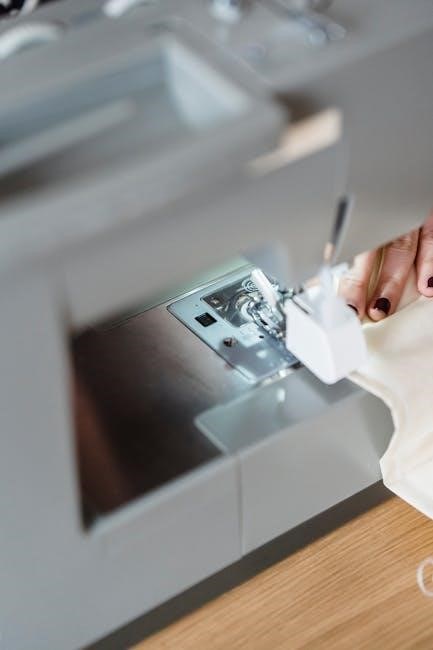
Magnetic seam guides are small, simple pieces that independently attach to the sewing machine, coming in various shapes and sizes for different edges.
Advantages of Magnetic Seam Guides
Magnetic seam guides offer significant flexibility and ease of use for sewists. Their primary advantage lies in their adaptability – they aren’t permanently fixed, allowing quick repositioning for varying seam allowances. This is particularly useful when switching between projects requiring different stitch depths.
Furthermore, they are generally inexpensive and easy to install, simply attaching to the metal throat plate of most sewing machines. They work well for both beginners learning to maintain straight lines and experienced sewers needing consistent accuracy. The magnetic attachment also means no tools are required for adjustments, streamlining the sewing process and enhancing overall efficiency.
Disadvantages of Magnetic Seam Guides
Despite their convenience, magnetic seam guides aren’t without drawbacks. The strength of the magnet can be a concern; some guides may shift during heavier-duty sewing, especially with thicker fabrics or faster speeds, compromising accuracy.
Compatibility is another factor – they require a metal throat plate to adhere properly, rendering them unusable with machines featuring non-magnetic surfaces. Additionally, certain machine designs might interfere with the guide’s placement. While versatile, they may not offer the same level of stability as fixed or built-in guides, potentially requiring more frequent adjustments during a project.
Best Magnetic Seam Guides for Juki DX7
For the Juki DX7, adjustable magnetic seam guide rulers, often found in 4-piece accessory sets, are highly recommended. These sets provide versatility for various seam allowances, catering to quilting and general sewing needs. Look for guides specifically designed for sewing machines, ensuring a strong magnetic hold on the DX7’s metal throat plate.
Consider options with clear markings for common seam allowances like ¼ inch and ⅝ inch. Prioritize sets including guides for curves and corners to maximize functionality. User reviews often highlight the effectiveness of these sets for achieving professional-quality, straight seams on the Juki DX7.
Fixed Seam Guides: Details and Usage
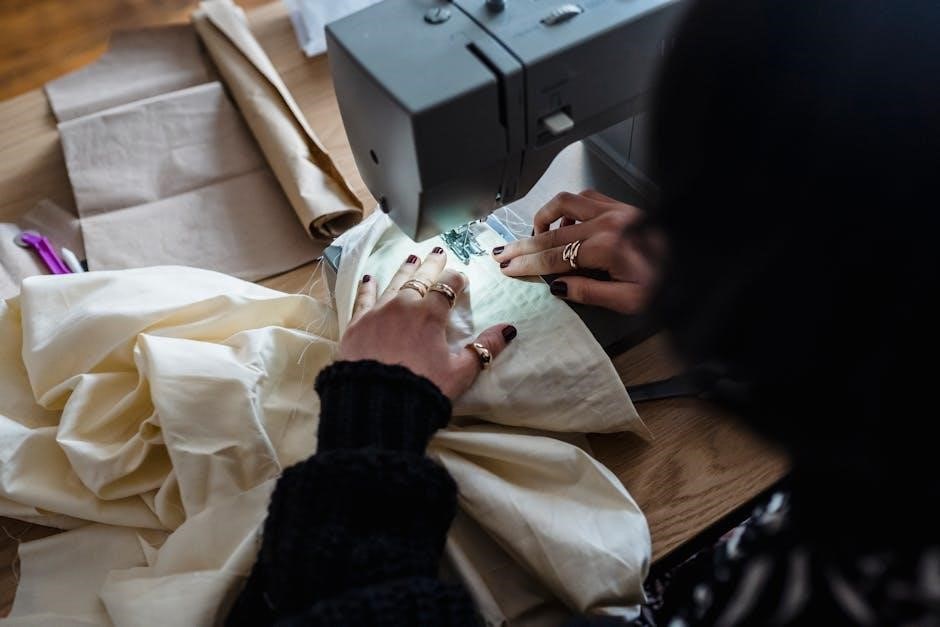
Fixed seam guides offer a specific, pre-determined seam allowance, commonly ¼ inch or ⅝ inch, and are typically constructed from durable plastic or metal materials.
Materials Used in Fixed Seam Guides (Plastic, Metal)
Fixed seam guides are commonly manufactured using two primary materials: plastic and metal. Plastic guides, often green in color, are lightweight and suitable for general quilting and sewing tasks, providing a cost-effective solution. These are frequently seen as simple rulers, approximately 3.5 inches by 1 inch;
Metal seam guides, on the other hand, offer increased durability and precision. Their robust construction ensures they maintain their shape and position during use, even with frequent handling. The choice between plastic and metal often depends on the intended application and the user’s preference for longevity and accuracy. Both materials contribute to achieving consistent seam allowances.
Common Sizes and Seam Allowances (1/4 inch, 5/8 inch)
Fixed seam guides are available in various sizes, each corresponding to a specific seam allowance. Two of the most prevalent sizes are 1/4 inch and 5/8 inch. The 1/4-inch guide is particularly popular among quilters, as it’s the standard seam allowance for many quilt blocks, ensuring precise piecing.
The 5/8-inch guide is frequently used in garment construction, aligning with the standard seam allowance found in most commercial patterns. These guides help maintain consistent distances from the fabric edge, resulting in professional-looking seams. Selecting the appropriate size is crucial for achieving accurate results.

Adjustable Seam Guides: Flexibility and Control
Adjustable guides offer versatility, allowing users to customize the distance from the needle to the fabric edge for various seam allowances and project needs.
How Adjustable Guides Work
Adjustable seam guides typically feature a screw or clamp mechanism that secures them to the presser foot or throat plate of your sewing machine. This design allows for precise positioning, enabling you to change the seam allowance without swapping out guide attachments.
The user loosens the screw, slides the guide to the desired measurement – often indicated on the guide itself – and then retightens the screw to lock it in place. This provides a dynamic system, accommodating different fabric thicknesses and project requirements. Some adjustable guides utilize a sliding bar system for even finer control.
Benefits of Using Adjustable Guides
Adjustable guides offer unparalleled flexibility, eliminating the need for multiple fixed guides when projects demand varying seam allowances. This versatility streamlines the sewing process, saving time and reducing clutter. They are particularly beneficial for quilters and garment sewers who frequently switch between different seam widths.
The ability to fine-tune the guide’s position ensures accuracy, leading to professional-looking results. Adjustable guides also accommodate different fabric weights; a slight adjustment can compensate for shifting or puckering. Ultimately, they empower sewists with greater control and precision.
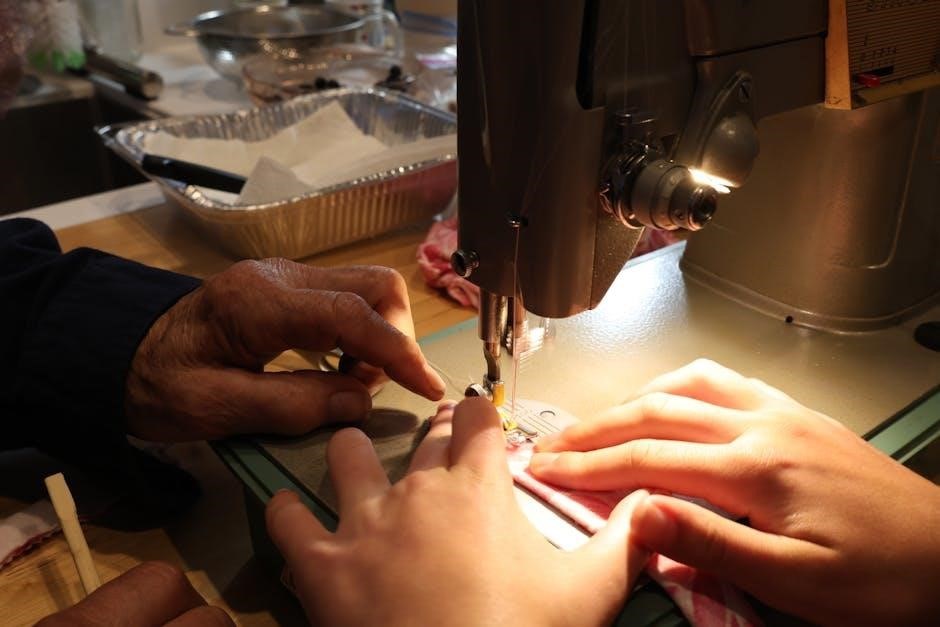
Using a Seam Guide for Straight Lines
Employing a seam guide ensures consistent stitch placement, crucial for achieving neat, professional results. It helps maintain a uniform distance from the fabric edge.
Tips for Accurate Sewing
To maximize accuracy when using a seam guide, begin by ensuring it’s securely attached to your sewing machine’s presser foot. Maintain a consistent sewing speed; rushing can lead to deviations. Gently guide the fabric, avoiding pulling or pushing, letting the machine feed the material.
Regularly check your seam allowance as you sew, comparing it to the guide. Practice on scrap fabric first to familiarize yourself with the setup and refine your technique. Addressing issues promptly—like a shifting guide—prevents accumulating errors. A well-lit workspace also enhances visibility and precision, contributing to straighter, more professional seams.
Troubleshooting Common Issues
If your seam guide shifts during sewing, stop immediately and re-secure it. Inconsistent seam allowances often stem from uneven fabric feeding; ensure the presser foot pressure is correctly adjusted. If the guide obstructs your view, consider a lower-profile option or adjusting its position.
For magnetic guides losing their hold, check for metal debris or a weakened magnet. If seams are still uneven, verify the machine’s needle and thread are appropriate for the fabric. Remember to practice on scraps to diagnose and resolve issues before tackling your project!
Understanding Seam Terminology
Key terms include the cutting line (fabric edge), the stitching/seam line (where sewn), and the seam allowance – the distance between them.
Cutting Line
The cutting line represents the precise edge on your fabric pattern piece where you initially make the cut to separate the fabric shapes. It’s the foundational boundary defining the garment’s intended dimensions before any sewing takes place. Accuracy during cutting along this line is paramount, as any discrepancies will directly impact the final fit and appearance of your project.
A seam guide doesn’t directly interact with the cutting line, but a precise cut along that line is essential for the seam guide to function effectively. The seam allowance, added after cutting, determines how far from the cutting line your stitching will be, and the seam guide ensures that distance remains consistent.
Stitching Line/Seam Line
The stitching line, also known as the seam line, is the exact path your sewing machine needle follows to join fabric pieces together. It’s determined by the seam allowance – the distance between the cutting line and where you actually sew. A seam guide plays a crucial role in maintaining a consistent distance from the fabric edge, ensuring your stitching remains parallel to the cutting line throughout the entire seam.
Accuracy on the stitching line is vital for garment construction; a wavering seam line can affect the structural integrity and aesthetic quality of the finished product. The seam guide helps achieve a professional, uniform seam.
Seam Allowance
Seam allowance represents the area of fabric between the cutting line and the stitching line, crucial for seam strength and finishing options. It’s the space available for the seam to be pressed open or enclosed, preventing fraying and adding durability. Standard seam allowances vary – commonly 5/8 inch, but also 1/4 inch, or even narrower for delicate fabrics.
A seam guide ensures consistent seam allowance width, vital for accurate pattern matching and garment fit. Utilizing a guide eliminates guesswork, resulting in professional-looking seams and a well-constructed project. Different guides cater to various allowance sizes.
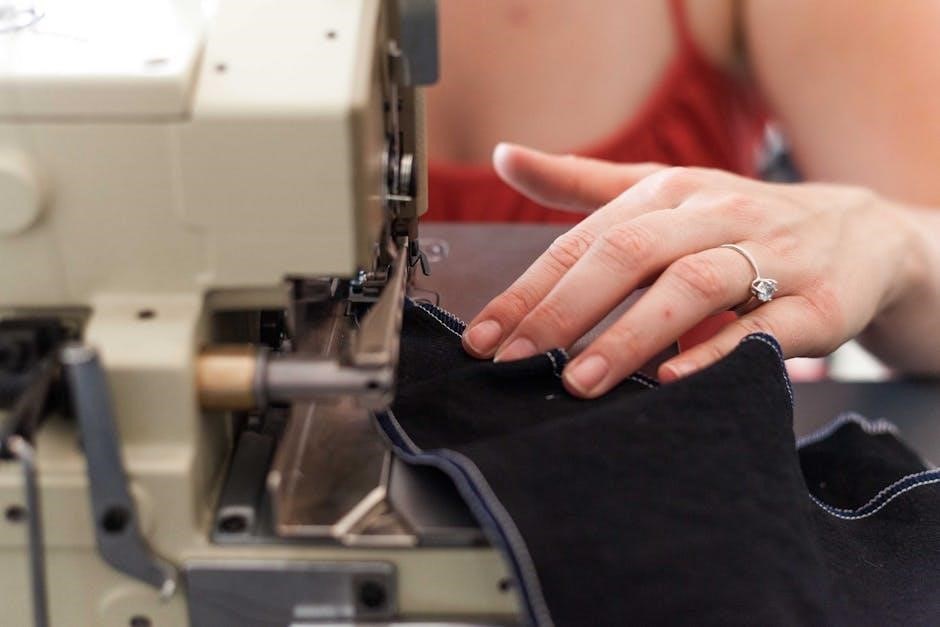
Seam Guides for Specific Sewing Tasks
Seam guides excel in quilting, curve sewing, and cornering, providing precision for consistent stitch placement and enhancing the overall quality of projects.
Quilting with Seam Guides
Quilting demands precision, and seam guides are invaluable for achieving accurate ¼ inch seams – a cornerstone of successful quilt blocks. Utilizing a seam guide, particularly a magnetic or fixed ¼ inch guide, ensures consistent seam allowances across all pieces, preventing blocks from mismatching and creating a beautifully aligned quilt top.
These guides help maintain uniform piecing, crucial for intricate quilt designs. They are especially helpful for beginners learning to consistently hit that ¼ inch mark, fostering confidence and improving overall quilting results. A plastic quilting ruler style guide is also a popular choice.
Sewing Curves with Seam Guides
While seemingly designed for straight lines, seam guides can assist with curves, though the technique differs. Magnetic seam guides, particularly those designed for curved edges, become essential. Slowly guide the fabric along the curve, using the seam guide as a reference point to maintain a consistent distance from the edge.
Adjustable guides offer flexibility, allowing you to subtly alter the seam allowance as you navigate the curve. Patience is key; stopping and adjusting frequently ensures a smooth, even seam. Practice makes perfect when mastering curved seams with a guide!
Cornering with Seam Guides
Navigating corners accurately with a seam guide requires a slight adjustment to your sewing technique. As you approach the corner, slow down and gently lift the presser foot just before reaching the edge. Pivot the fabric, maintaining contact with the seam guide, to change direction.
Lower the presser foot and continue sewing along the new edge, again using the guide for precision. This prevents bunching or uneven seams. Magnetic guides are particularly helpful here, staying firmly in place during the pivot. Consistent practice will refine your cornering skills!
Seam Guide Accessory Sets
Many sets include multiple guides for various seam allowances, often featuring magnetic and fixed options, providing versatility for diverse sewing projects and skill levels.
4-Piece Sewing Machine Accessory Sets
These comprehensive sets typically offer a range of seam guide options, catering to various sewing needs. A common configuration includes a magnetic seam guide for quick adjustments, a fixed guide for consistent seam allowances, and potentially guides designed for specific tasks like quilting or cornering.
Often, these sets also incorporate a ruler for precise measurements, enhancing overall accuracy. Adjustable magnetic seam guide rulers are frequently included, allowing for customized seam widths. These sets are particularly beneficial for beginners, providing a complete toolkit to master fundamental sewing techniques and achieve professional-looking results. They streamline the sewing process and improve project outcomes.
What to Look for in a Set
When selecting a seam guide accessory set, prioritize versatility and compatibility with your Juki DX7. Ensure the set includes a variety of guide types – magnetic, fixed, and adjustable – to handle diverse projects. Consider the materials used; durable plastic or metal guides offer longevity.
Look for sets offering common seam allowances like 1/4 inch and 5/8 inch. A clear, easy-to-read ruler is essential for accurate measurements. Check for positive user reviews regarding the magnetic strength and stability of the guides. A well-rounded set empowers both beginners and experienced sewers to achieve professional results.
Maintaining Your Seam Guide
Regular cleaning prevents debris buildup, ensuring accurate guiding. Store guides properly to avoid damage, and replace worn guides promptly to maintain sewing precision.
Cleaning and Storage
Consistent cleaning is vital for maintaining the accuracy of your seam guide. After each use, or regularly during extended sewing sessions, wipe down the guide’s surface with a soft, dry cloth to remove lint, fabric fibers, and dust. For stubborn residue, a slightly dampened cloth can be used, ensuring it’s thoroughly dried afterward.
Proper storage protects your seam guide from damage and extends its lifespan. Store magnetic guides away from metal surfaces to prevent unwanted attachment or demagnetization. Fixed and adjustable guides should be kept in a dedicated box or pouch, separate from other sewing accessories, to avoid scratches or bending. A clean, dry environment is ideal for long-term preservation.
Replacing Worn Guides
Over time, seam guides, particularly magnetic ones, can lose their effectiveness due to wear and tear or demagnetization. If a magnetic guide no longer holds firmly, or a fixed guide becomes chipped or damaged, replacement is necessary for continued accuracy. Fortunately, seam guides are relatively inexpensive and readily available.
When replacing a guide, ensure the new one is compatible with your Juki DX7 or sewing machine model. Consider purchasing a replacement from a reputable sewing supply store; Regularly inspecting your guides for signs of wear will prevent inaccurate stitching and maintain the quality of your sewing projects, saving frustration and fabric.